

Kenya's Electric Mobility Policy Faces Its First Fiscal Test
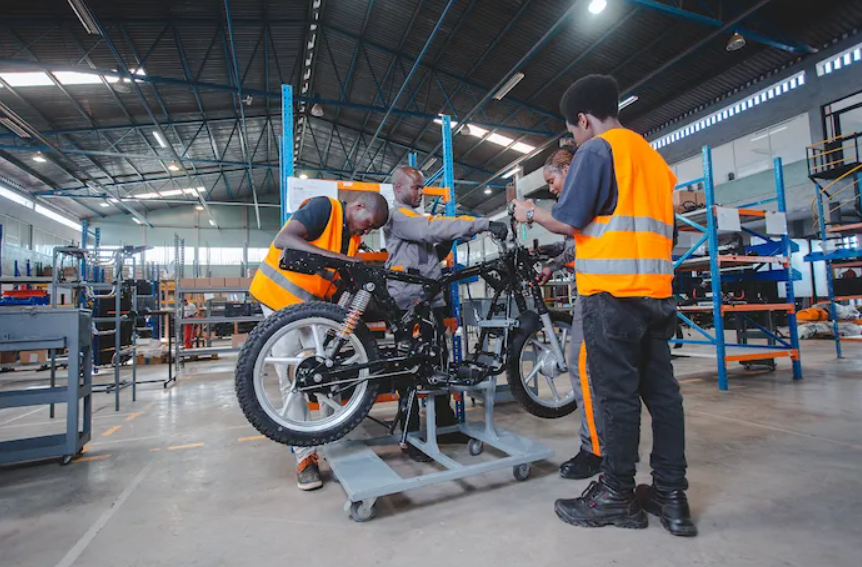
Only months after launching its National Electric Mobility Policy, Kenya nearly removed one of the fiscal incentives underpinning it. This article explores how a technical VAT proposal in the Finance Bill 2026 exposed the tension between revenue generation and green industrial policy and why policy certainty matters for the country's electric mobility transition.

Africa’s opportunity to close the technology gap and industrialise
As global trade rules evolve, Africa faces a critical opportunity to close the technology gap that limits its green industrialisation. This op-ed examines how reforms to intellectual property frameworks, stronger regional integration and investment in skills can help the continent move beyond raw material exports and build competitive clean-energy value chains.
PART TWO Case Study: Kinangop Wind Park (KWP) Project: A Cautionary Tale of Government Guarantees
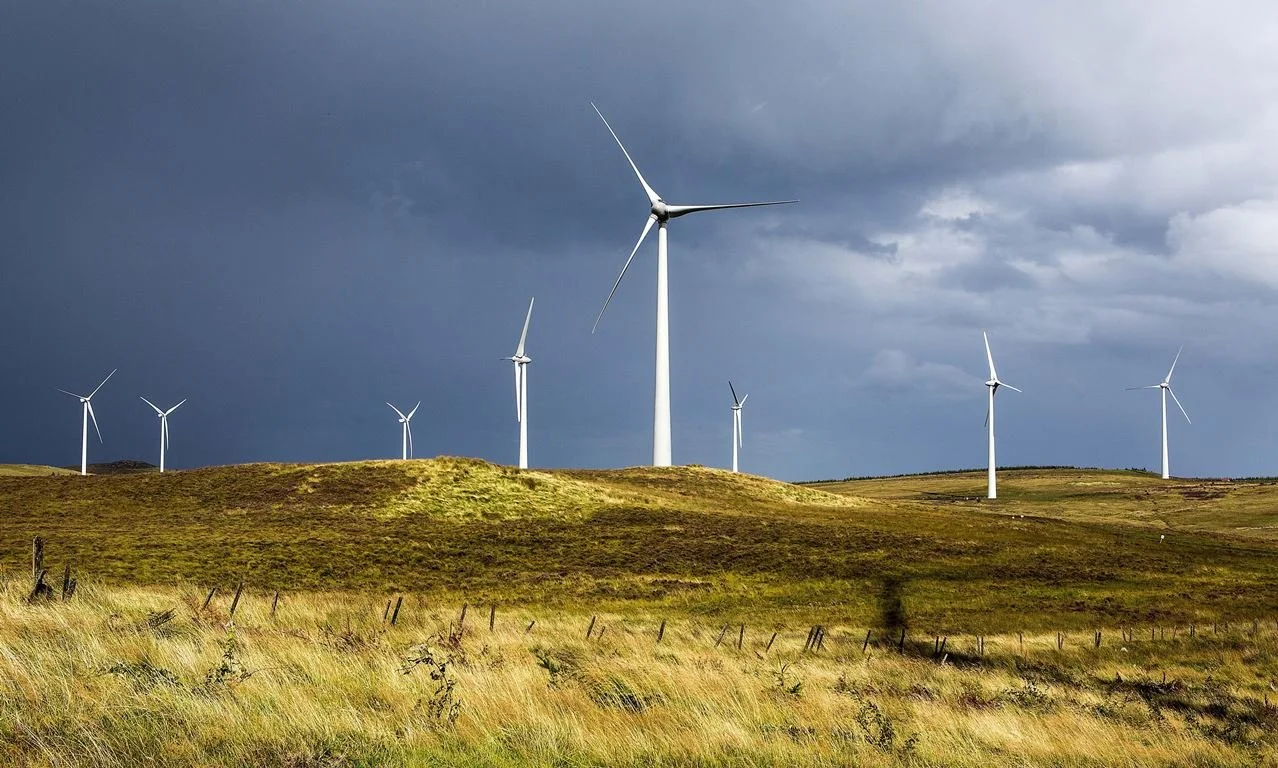
The collapse of the Kinangop Wind Park was not simply a project failure, it was a warning about the hidden costs of poorly structured government guarantees. What began as a flagship renewable energy investment instead exposed how contingent liabilities, weak project preparation and misallocated risk can undermine both investor confidence and public finances. As Kenya looks to scale renewable energy under tight fiscal constraints, the lessons from Kinangop are impossible to ignore.
PART ONE: Rethinking Government Guarantees for Renewable Energy in Kenya
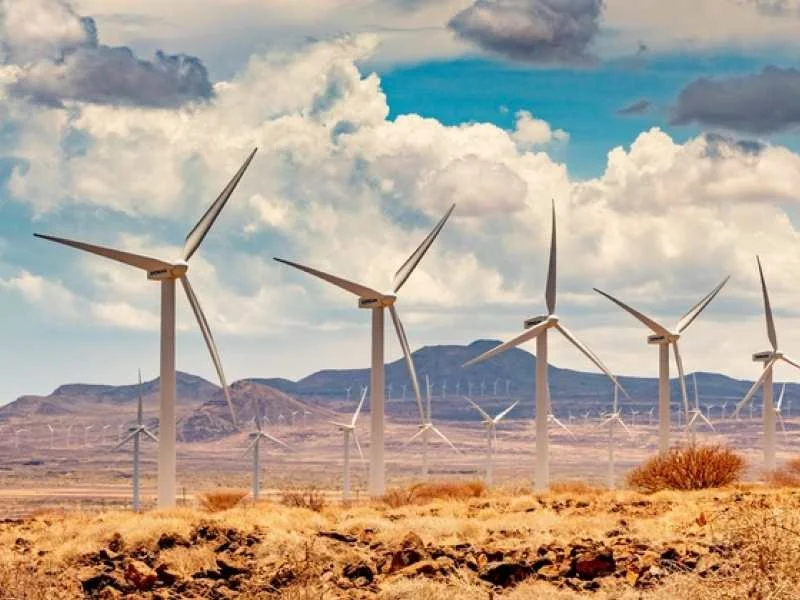
Kenya’s renewable energy ambitions depend on mobilising private capital at scale, yet rising public debt has made reliance on broad government guarantees increasingly risky. As electricity demand grows and fiscal space tightens, the country must rethink how political and offtake risks are allocated. This piece explores why sovereign guarantees create hidden liabilities and how market-based de-risking tools can unlock investment while safeguarding public finances.