

PART TWO Case Study: Kinangop Wind Park (KWP) Project: A Cautionary Tale of Government Guarantees
ImageSource: ESI Africa
Introduction
In the first op-ed, we argued that Kenya’s renewable energy ambitions cannot be sustained through expansive sovereign guarantees, given mounting fiscal pressures and the risks of open-ended contingent liabilities. We highlighted the need for a shift toward market-based de-risking instruments that better align incentives between the state and private investors.
This second part advances that argument by examining the Kinangop Wind Park (KWP) Project as a case study. It illustrates how reliance on sovereign guarantees can undermine project bankability and weaken incentives for rigorous risk management and community engagement, and expose the public balance sheet to significant fiscal and legal risk. The collapse of KWP demonstrates why Kenya must reform how it deploys government support instruments if it is to mobilise private capital at scale while safeguarding fiscal stability.
The collapse of the KWP project provides a clear lesson on how sovereign guarantees and government support instruments, when poorly structured, can expose the state to significant fiscal and legal risks. What was intended to be a flagship renewable energy project instead became a cautionary tale of contingent liabilities.
What Happened to KWP
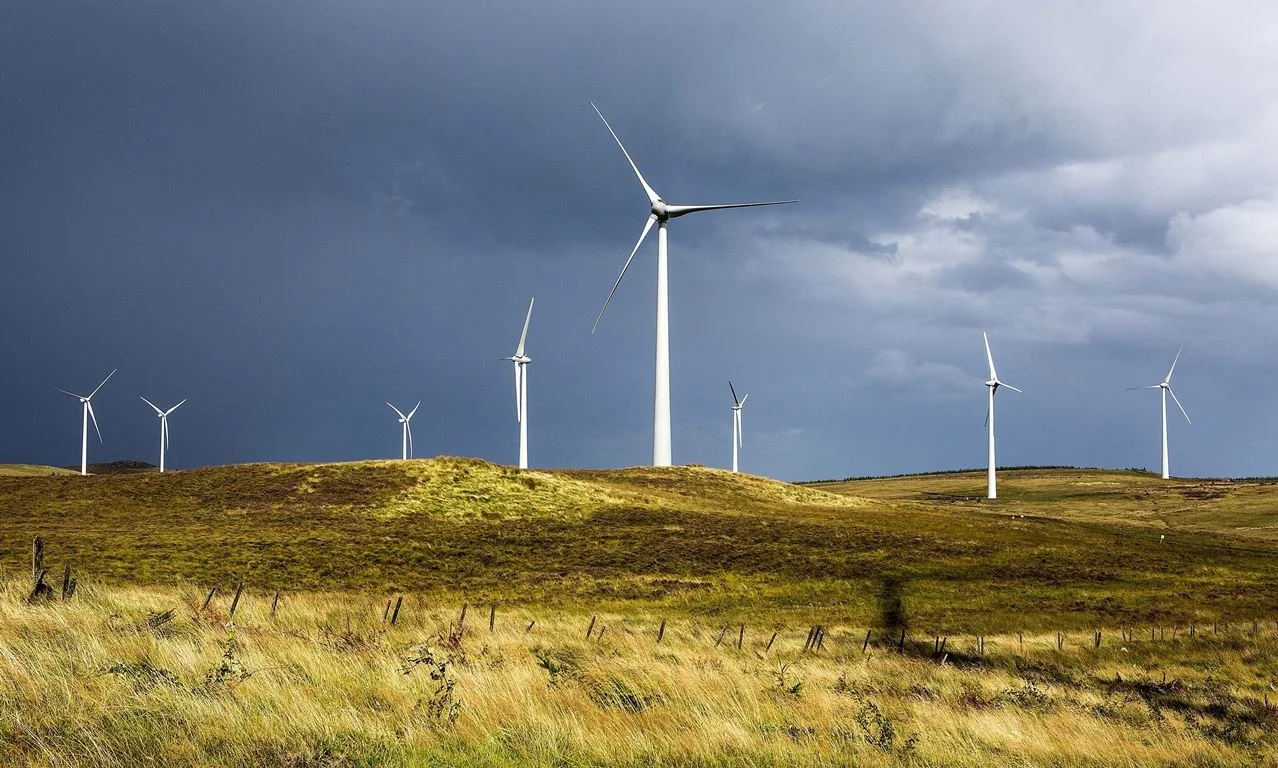
The Kinangop Wind Park (KWP) project was envisioned as a 60MW flagship project, powering over 150,000 homes and attracting US$154 million in capital. Co-owned by Norfund and Africa Investment Fund 2 (managed by Africa Investment Managers), it was to be powered by 38 GE wind turbines with a 20-year design life.
Despite securing land leases and investing over US$66 million, the project collapsed after two years of community unrest tied to compensation disputes and environmental concerns. Protests escalated into vandalism and insecurity. Construction became impossible, and attempts to renegotiate failed.
The Guarantee Dispute
KWP invoked the LoS in a legal claim, arguing that community protests constituted a “political event”. In 2018, however, an ICC tribunal rejected the claim, ruling that community protests did not meet the LoS definition of a political event, which referred to government actions such as expropriation or direct government interference. This decision spared Kenya a US$312 million payout.
The KWP case illustrates the moral hazard created by broad sovereign guarantees. When developers expect government backstops to absorb risk, incentives for rigorous project preparation, community engagement, and environmental safeguards weaken. Guarantees can encourage disputes, heighten investor uncertainty, and expose the public balance sheet to claims for risks that could have been mitigated by the private sector.
Kenya must therefore seek to limit sovereign guarantees to narrowly defined, uninsurable risks, and encourage market-based de-risking tools such as Political Risk Insurance (PRI), Partial Credit Guarantees (PCGs), and liquidity facilities. These tools price risk transparently, align incentives, and require strong project preparation before underwriting. In this way, Kenya can attract private capital while preventing moral hazard and safeguarding fiscal stability.
Key Takeaways
Reform Sovereign Support and Policy De-risking: Kenya should prioritise regulatory and policy reforms that systemically lower project risk and reduce reliance on sovereign guarantees. Strengthening utility creditworthiness, improving procurement systems, and embedding transparency are foundational. Where sovereign support remains necessary, Letters of Support (LoS) should be tightly drafted and limited to a closed list of clearly defined, uninsurable political risks. This would incentivise developers to manage commercial and operational risks without transferring them to the state.
In parallel, reforms such as competitive renewable energy auctions, local-currency denominated PPAs and a transition to take-and-pay structures should be further accelerated to limit sovereign exposure while maintaining investor confidence.
Mandate Rigorous Project preparation: KWP illustrates that weak stakeholder engagement and inadequate environmental assessments can undermine even well-structured PPAs. Policymakers should therefore require early and continuous stakeholder engagement, comprehensive environmental and social assessments, rigorous feasibility studies, and transparent land processes as prerequisites for project approval and government support.
Embedding these requirements in procurement and licensing frameworks would improve project quality, reduce disputes and ensure that only well-prepared projects progress to financial close. Market-based de-risking instruments naturally reinforce this discipline, as insurers and guarantors require high standards of project preparation before underwriting risk.
Market-based Financial Derisking: Kenya can no longer rely on government guarantees to anchor private capital mobilisation. Market-based de-risking instruments such as Political Risk Insurance (PRI), Partial Credit Guarantees (PCG), and liquidity facilities should be mainstreamed within renewable energy financing structures. These instruments price risk transparently, align incentives, and shift defined risks away from the public balance sheet.
PRI, in particular, is widely used to cover risks such as expropriation, currency inconvertibility, political violence, civil strife and terrorism. Providers include private insurers such as American International Group (AIG), Export Credit Agencies (ECAs) like Africa Trade & Investment Development Insurance (ATDI), which also offers Regional Liquidity Support Facility (RLSF), for delayed payments and multilateral providers, including the Multilateral Investment Guarantee Agency (MIGA) and African Development Bank, whose PRGs backstop specific government obligations under PPAs.
These tools, typically embedded in financing, allow DFIs and insurers to absorb defined risks. Yet uptake in Sub-Saharan Africa remains low, driven by high premium costs and limited awareness. Government policy should actively promote awareness, standardisation, and uptake of these tools, including through engagement with developers and lenders to address cost and knowledge barriers.
Conclusion
Kenya stands at a critical juncture in its energy transition goal. The KWP case demonstrates that overly broad sovereign guarantees create moral hazard, weaken incentives for robust project preparation, and expose the public balance sheet to costly contingent liabilities. With limited fiscal space, Kenya cannot rely on public funds or government guarantees to deliver its renewable energy ambitions.
Mobilising private and climate finance at scale will require a deliberate shift toward market-based de-risking tools. Sovereign support should be reserved for narrowly defined, uninsurable risks, while market-based instruments must be embedded into financing structures. Coupled with rigorous project preparation, this approach will attract private and climate finance at scale while safeguarding fiscal stability.
A future-ready energy risk management system will rest on three pillars: robust policy de-risking, rigorous project preparation, and market-based risk instruments. With these reforms, Kenya can expand access to affordable power, mobilise climate finance effectively, and avoid the moral hazards that undermined KWP.
Subscribe to our newsletter below and stay informed on the latest updates, engagements, and news!
